John Travolta reached the peak of Hollywood stardom in the late 1970s, then spent years watching his career collapse. His comeback in the 1990s was dramatic, but another major failure followed. Through it all, he endured personal tragedy that permanently changed his relationship with fame. Travolta first gained national attention in the television series Welcome Back, Kotter, where his portrayal of Vinnie Barbarino made him a breakout star.
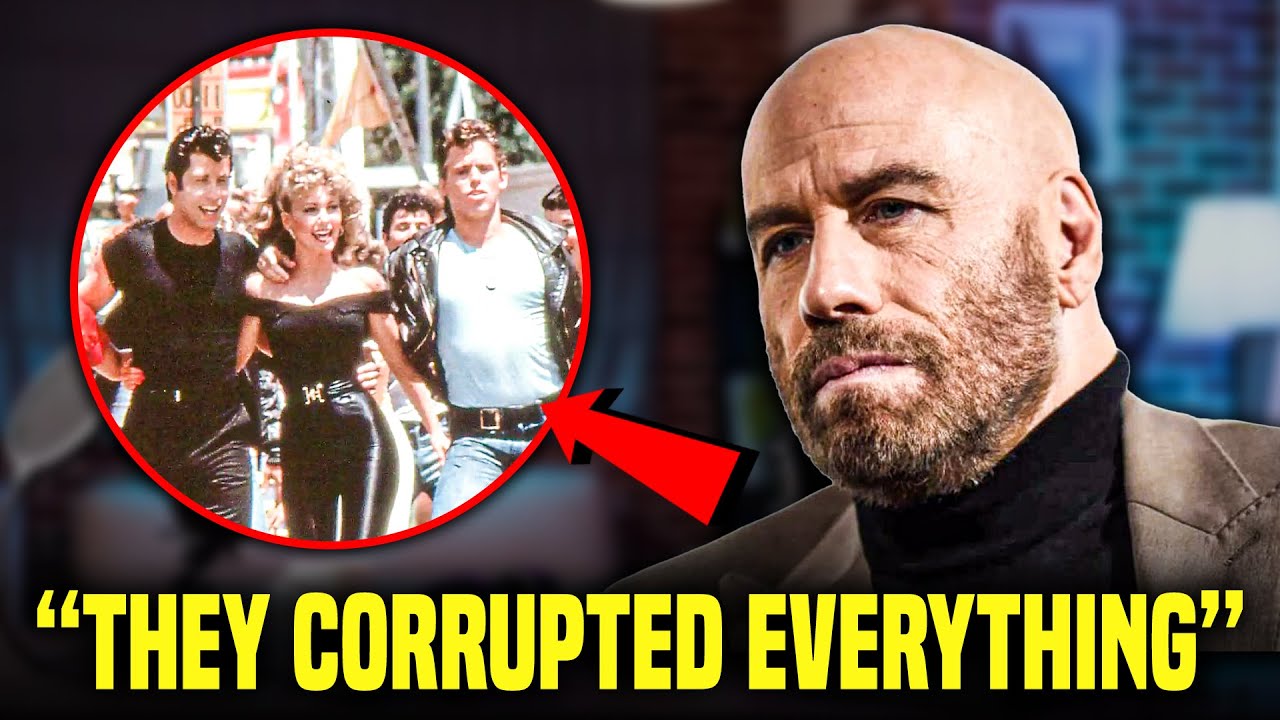
The role launched him into film, and in 1977 he starred in Saturday Night Fever. The film became a cultural phenomenon, earning him his first Academy Award nomination and making him one of the most recognizable faces in the world. A year later, he solidified his status with Grease, starring alongside Olivia Newton-John. The musical became one of the most beloved films of its era, and Travolta was widely considered untouchable.
He used his success to gain unusual control over his career, buying airplanes, earning his pilot’s license, and shaping his public image on his own terms. But the 1980s brought a dramatic decline. Films such as Staying Alive, Two of a Kind, and the poorly received 1985 movie Perfect failed to connect with audiences. Critics turned harsh, and Travolta also passed on scripts that became major hits for other actors, including American Gigolo and An Officer and a Gentleman.
By the late 1980s, casting directors had largely written him off, and he drifted into projects that generated little attention. The turning point came in the early 1990s, when director Quentin Tarantino offered him the role of Vincent Vega in Pulp Fiction. Tarantino deliberately sought out actors whose careers had faded. The 1994 film was a critical and commercial success, and Travolta earned his second Academy Award nomination.
He followed with hits including Get Shorty, Phenomenon, and Face/Off, cementing a comeback that was widely described as one of the greatest in Hollywood history. Travolta then pursued a long-held ambition to adapt Battlefield Earth, a science fiction novel by L. Ron Hubbard, the founder of the Church of Scientology. Travolta had been a devoted member of the church for years and used his revived star power to get the project financed.
The 2000 film was a catastrophic failure, both critically and commercially. Roger Ebert famously described it as a mix of a bad video game and a headache. The movie became a symbol of misplaced ego, and studios grew cautious about giving Travolta creative control again. Rumors about his personal life also surfaced during this period, including a harassment allegation in 2000 that was later settled.
Travolta responded by withdrawing further from the public eye, focusing on family, faith, and aviation. In 2009, tragedy struck when his 16-year-old son, Jet, died from a seizure while the family was on vacation in the Bahamas. Jet had been diagnosed with autism and a seizure disorder. Travolta and his wife, actress Kelly Preston, had been devoted to his care.
After the loss, Travolta pulled back from Hollywood entirely and later founded the Jett Travolta Foundation to support children with special needs. Preston died in 2020 after a private battle with breast cancer. Travolta described his life afterward as semi-retirement, choosing only projects that genuinely interested him. He delivered a well-regarded performance as Robert Shapiro in the 2016 series The People v.
O. J. Simpson, earning a Golden Globe nomination. But he did not pursue a full-scale return to the industry.
Aviation remained his primary passion. He owned multiple aircraft, including a Boeing 707, built a private runway at his Florida home, and served as a goodwill ambassador for Qantas following the September 11 attacks. As he once said, “Flying is where I find peace. Up there, I’m not John Travolta, the movie star.
I’m just John. “


