The British Royal Navy faces a catastrophic collapse in 2026, trapped in a relentless doom loop of shrinking fleets, desperate recruitment shortages, and mounting decommissionings. With more frigates awaiting scrapping than actively serving, the Navy teeters on the brink of irrelevance, unable to crew new ships essential for national defense.
A recent wave of stark revelations exposes the Royal Navy’s rapid decline, overturning decades of maritime supremacy. Once a global titan, the fleet is crippled by the loss of vessels, plummeting personnel numbers, and chronic underfunding. Public recruiting campaigns mask a service gasping under the weight of policy failures and political neglect.
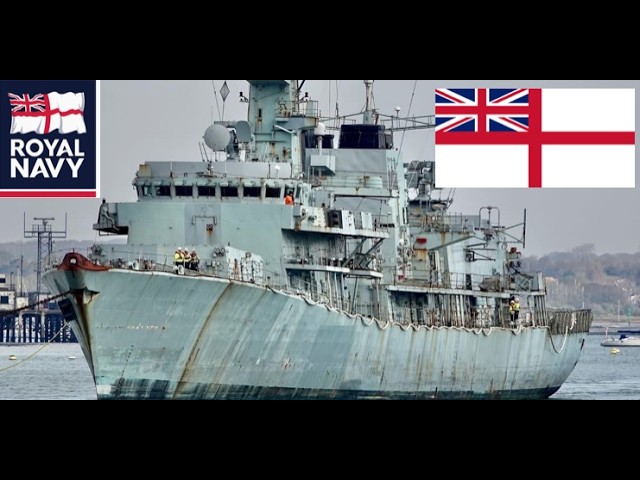
The infamous “frigate gap” sums up the disaster: Britain has not commissioned a new frigate in almost 25 years while rapidly retiring existing ships. The current Type 23 frigate fleet — once numbering sixteen — has dwindled to just five operational vessels. Worse yet, six former Type 23 frigates lie mothballed, headed for scrapping.
Simultaneously, the submarine fleet has plunged from 22 boats in 1997 to a mere nine today, four restricted to nuclear deterrence roles rather than active hunting. This destructive erosion of underwater and amphibious capabilities leaves Britain almost defenseless in scenarios demanding rapid force projection, such as a repeat Falklands-style conflict.
To compound the crisis, several key amphibious ships, including helicopter carriers, have been sold abroad due to domestic disuse. Even more startlingly, more British frigates now sail under foreign flags than under the Royal Navy banner — a humiliating testament to government divestment and shortsighted strategy.
New projects signaling hope, like the Type 26 and Type 31 frigates, struggle to gain traction as the Navy battles crippling crew shortages. The recently refitted HMS Iron Duke was prematurely withdrawn due to mechanical issues and lack of personnel despite a £103 million overhaul, exemplifying wasted investment and operational paralysis.
Recruitment figures tell a grim tale: over sixteen percent of personnel left since 2012, with the last year alone seeing a loss equivalent to crews for two new Type 31 frigates. Recruitment targets are missed by 40%, morale plummets, and overworking drives many experienced sailors away, deepening the death spiral.
This chronic manpower shortage forces the Navy to mothball vessels, reducing fleet size further and undermining operational readiness. A vicious paradox emerges: fewer sailors lead to fewer active ships, which decrease the Navy’s appeal to potential recruits, which in turn causes further cuts and declines.
Experts warn that without dramatic reforms to attract and retain talent, the Royal Navy’s doom loop is unstoppable. Despite the undeniable strategic necessity of a strong naval force for Britain’s defense, political will to address root causes—funding, recruitment, modernisation—remains absent or insufficient.
The government faces a stark choice: escalate investment to revive the fleet into a globally capable force or accept a future of diminished naval power incapable of securing Britain’s seas or projecting influence abroad. The consequences of inaction threaten national security and historic maritime prestige.
As the Royal Navy confronts this existential crisis, the world watches. Britain’s maritime supremacy, painstakingly built over centuries, now hangs by a thread. Without immediate, bold intervention, the once-mighty fleet will fade into irrelevance, leaving a void in global naval power and Britain’s defense posture.