Deborah Kerr was long celebrated as one of classic Hollywood’s most graceful and elegant actresses, a woman whose poise and understated charm seemed to define an era. Yet behind the iconic smile, perfectly composed demeanor, and legendary performances was a private life that fans only glimpsed through glimpses of interviews and carefully curated press appearances. For decades, rumors circulated about her personal relationships, struggles with fame, and the woman she truly was behind the camera. Only now, through the reflections of her daughter Francesca Kerr, do we begin to understand the person beyond the silver screen.
Born in 1921 in Hillhead, Scotland, Deborah Kerr initially dreamed of becoming a ballerina. She trained rigorously in her youth, but a serious illness forced her to reconsider her path. The discipline, grace, and dedication she had developed for dance, however, transferred seamlessly to acting. Kerr honed her craft in repertory theater, gradually earning attention for her compelling performances in British films of the 1940s, including The Life and Death of Colonel Blimp and Black Narcissus. These early roles showcased her ability to convey strength, vulnerability, and emotional complexity—a combination that would become her hallmark.
Her international breakthrough came with From Here to Eternity (1953), which solidified her status as a leading lady in Hollywood. Over the course of her career, Kerr earned six Academy Award nominations for films such as The King and I, The Sundowners, and The Night of the Iguana. Yet despite this global acclaim, she remained intensely private, carefully balancing the demands of Hollywood with her personal life.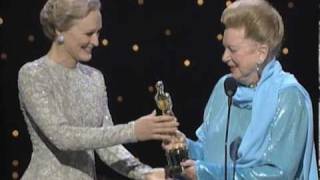
Publicly, Deborah Kerr was regarded as the “ultimate good girl”—elegant, composed, and seemingly untouchable. Behind the scenes, however, those closest to her describe a playful, humorous, and deeply affectionate woman. Francesca Kerr, her daughter, has now opened up about the realities of her mother’s life, providing context to the rumors that long surrounded the star. She emphasizes that while Hollywood often painted her mother in an almost saintly light, Deborah was a woman who loved fiercely, felt deeply, and experienced both the joys and frustrations of balancing family and career. Francesca recalls that her mother valued loyalty and privacy above all, often shielding her family from the glare of the public eye and rarely allowing outsiders to dictate her narrative.
As the film industry evolved in the 1970s and 1980s, Kerr found herself increasingly at odds with the changing nature of Hollywood. Roles became fewer, scripts shifted, and the studio system that had once nurtured her career was gone. Seeking a quieter life, she relocated to Switzerland, where she could focus on family, personal interests, and her health away from public scrutiny. Her final years were marked by both tranquility and struggle, as she battled Parkinson’s disease, ultimately passing away in 2007 at the age of 86.
Francesca Kerr’s revelations now paint a fuller picture of her mother—not just as a Hollywood icon, but as a human being who managed immense professional pressures, personal expectations, and private vulnerabilities. She explains that the rumors that circulated throughout Kerr’s life were often misinformed or exaggerated, a byproduct of the relentless curiosity and speculation surrounding Hollywood’s golden era. Through her daughter’s voice, we learn that Deborah’s strength was quiet, her humor gentle, and her devotion to family unwavering.
The story of Deborah Kerr reminds us that while stars may dazzle on screen, their real lives are far more complex. Fame brought privilege, admiration, and adoration, but it also brought isolation, scrutiny, and the pressure to maintain an impossible standard. Francesca’s reflections honor her mother’s legacy by separating myth from reality, showing that behind the elegance and poise, Deborah Kerr was a mother, a daughter, a friend, and a fiercely private woman who lived a life defined as much by love and integrity as by her extraordinary talent.
Today, fans of classic cinema remember her not just for her Academy Award-nominated performances or her signature grace, but for the human being Francesca now helps us understand: a woman of depth, resilience, and quiet dignity whose story deserves to be told fully, beyond the headlines and Hollywood myths.


