What Even Is Fitness, Anyway? It’s More Than Just Abs
Alright, let’s get real for a minute. When you hear the word “fitness,” what’s the first thing that pops into your head? For most folks, it’s probably a ripped physique, endless hours in the gym, or maybe some extreme diet plan. And that’s exactly where we go wrong. True fitness isn’t about looking a certain way, or hitting some arbitrary number on a scale, or even running a marathon if that’s not your jam.
It’s actually far more holistic, far more forgiving, and honestly, much more accessible than you think. Real fitness is about having the energy to live your life fully. It’s about being strong enough to carry your groceries without struggling, flexible enough to tie your shoes comfortably, and having the stamina to play with your kids or grandkids without running out of breath. It’s also deeply tied to your mental clarity, your sleep quality, and how well your body recovers from the stresses of daily life. Forget the six-pack for a moment; let’s talk about living a long, vibrant, and genuinely capable life.
Your Foundational Pillars of True Fitness
Think of your body like a really complex, super cool machine. For any machine to run optimally, it needs good fuel, regular maintenance, and proper downtime. Your body isn’t any different. There are three core pillars that absolutely underpin genuine, sustainable fitness. Miss one, and the whole structure starts to wobble.
Movement: Find What You Love (and Stick With It)
Movement is non-negotiable, but the type of movement you do? That’s entirely up to you. Don’t let anyone tell you that you must run, or must lift heavy, or must do yoga. Your best bet is to find activities that you genuinely enjoy, because enjoyment is the secret sauce for consistency.
You’ll want to aim for a mix of things. Cardiovascular exercise, like brisk walking, cycling, dancing, or swimming, is crucial for heart health. The American Heart Association suggests around 150 minutes of moderate-intensity cardio each week. That’s just 30 minutes, five days a week – totally doable, right? You can even break it into three 10-minute chunks throughout your day.
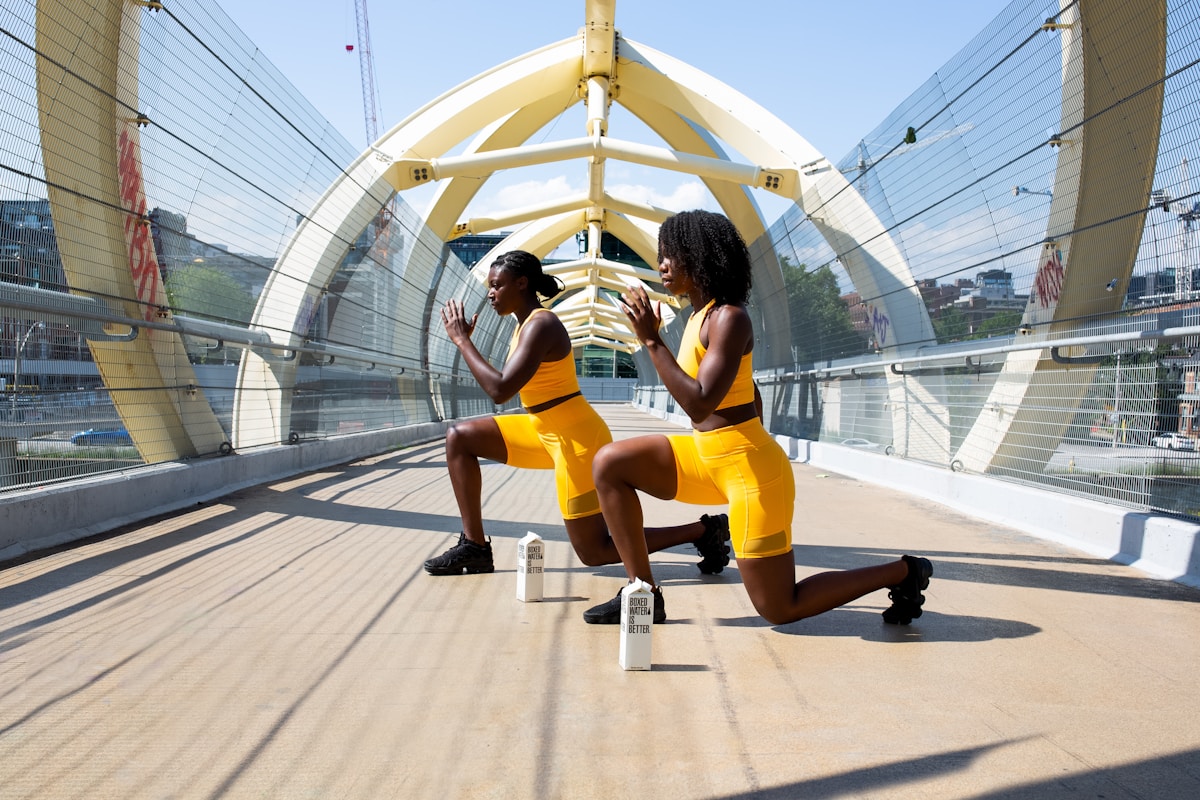
Then there’s strength training. This isn’t just for bodybuilders. Building and maintaining muscle mass is vital for metabolism, bone density, and everyday functional strength. You don’t need a fancy gym membership; bodyweight exercises like squats, push-ups, and planks are incredibly effective. Resistance bands are another fantastic, inexpensive tool. Try to get in two to three full-body strength sessions each week.
And don’t forget flexibility and mobility. Stretching, yoga, or even just a few minutes with a foam roller can make a huge difference in how your body feels, preventing stiffness and improving your range of motion. Just five to ten minutes daily can transform your posture and alleviate nagging aches. Even professional athletes, like golf legend Tiger Woods, rely heavily on careful recovery and rehabilitation after setbacks to maintain their incredible athleticism and achieve amazing comebacks. Getting back on the course or recovering from an injury means dedicating serious time to rebuilding your physical capability.
Fueling Your Machine: Smart Nutrition, Not Strict Diets
This isn’t about counting every calorie or cutting out entire food groups (unless medically necessary, of course). It’s about making smart choices most of the time. Think whole, unprocessed foods. Pile your plate high with colorful fruits and vegetables. Go for lean proteins like chicken, fish, beans, and lentils. Choose complex carbohydrates such as whole grains, quinoa, and sweet potatoes for sustained energy. And don’t shy away from healthy fats found in avocados, nuts, seeds, and olive oil – they’re essential for hormone production and nutrient absorption.
Hydration is another massive piece of the puzzle. Water truly is king. Aim for eight glasses a day, more if you’re active. Often, what feels like hunger is actually just thirst.
The goal here isn’t perfection; it’s consistency and mindfulness. Pay attention to how different foods make you feel. Do you crash after a sugary snack? Do you feel sluggish after a huge, greasy meal? Listen to your body’s signals, and make adjustments. Sustainable eating habits beat crash diets every single time.
The Power of Rest: Sleep and Recovery Aren’t Optional
We live in a culture that glorifies constant hustle, often at the expense of sleep. But here’s the truth: if you’re not getting enough quality sleep, your fitness efforts are largely wasted. Your body repairs itself, builds muscle, and consolidates memories while you sleep. Aim for 7-9 hours of undisturbed sleep every single night. Make your bedroom a sanctuary: dark, cool, and quiet. Try to go to bed and wake up around the same time, even on weekends.
Recovery isn’t just about sleep, though. It’s also about giving your body a break from intense workouts. Active recovery, like a light walk or some gentle stretching on your rest days, can actually aid in muscle repair. Don’t be afraid to take a full rest day, or even a “deload” week where you significantly reduce your workout intensity. Your muscles need time to rebuild stronger.
And let’s not forget mental recovery. Chronic stress can wreak havoc on your body, impacting everything from your hormones to your immune system. Find healthy ways to manage stress: meditation, spending time in nature, reading a good book, or pursuing a hobby. Even someone as disciplined and successful as Denzel Washington understands the importance of a balanced life, combining immense professional success with a commitment to privacy and philanthropy. His ability to thrive in a demanding career for decades speaks volumes about the power of sustained discipline and well-being.
Building Your Fitness Routine: Small Steps, Big Impact
Starting a fitness journey can feel overwhelming, especially if you’re coming from a sedentary lifestyle. Don’t overthink it. Seriously, don’t. The biggest mistake people make is trying to do too much, too soon, and burning out.
Start ridiculously small. Can you commit to a 10-minute walk every morning? Great, do that for a week. Can you do five squats and five push-ups (even modified on your knees) before breakfast? Perfect. The key is to build momentum and create habits that stick. Once that 10-minute walk feels easy, push it to 15. When five squats become a breeze, try ten. This is called progressive overload, and it’s how your body gets stronger and adapts over time.
Consistency absolutely trumps intensity. Doing a little something every single day or most days is far more effective than going all-out once a month. Find ways to make yourself accountable, whether it’s a workout buddy, a fitness tracker, or just marking off days on a calendar. Celebrate every small win; they add up faster than you think.
Overcoming Obstacles: Life Happens, Right?
Let’s be honest: life throws curveballs. You’ll miss workouts. You’ll have days when you eat pizza for all three meals. You’ll feel unmotivated. And that’s okay. The biggest differentiator between those who succeed and those who quit isn’t perfect adherence; it’s resilience.
And sometimes, your body just isn’t cooperating. Injuries, illnesses, or even just feeling completely drained – these are all valid reasons to adjust your routine. Don’t push through pain. Listen to your body. Modify exercises, seek professional advice if needed, and prioritize healing. It’s not about being tough; it’s about being smart and preserving your long-term health. The power of the human spirit to overcome physical challenges is incredible, like when Raif, a woman of incredible strength, stood up and walked during her wedding, moving everyone present. Stories of personal triumph against physical odds remind us what our bodies are truly capable of when we focus on recovery and determination.
Your Fitness Journey: A Marathon, Not a Sprint
The truth about fitness is that it’s a lifelong journey, not a destination. There’s no finish line where you suddenly become “fit” and then never have to think about it again. It’s a continuous process of learning, adjusting, and showing up for yourself.
Shift your focus from purely aesthetic goals to how you feel. Are you stronger? Do you have more energy? Is your mood better? Are you sleeping more soundly? These are the real, tangible benefits of a fit lifestyle. When you feel good, you look good anyway.
Embrace the process, celebrate your progress, and be patient with yourself. Fitness isn’t about being perfect; it’s about being consistent, resilient, and committed to living the most vibrant, energetic, and capable life you possibly can. You’ve got this.