Bill Murray at 75 has revealed surprising insights about his late Caddyshack co-star, Rodney Dangerfield. The comedy icon shared how Rodney’s relentless struggle for respect and their wildly different backgrounds came together, creating a legendary partnership that reshaped both their careers and comedy itself forever.
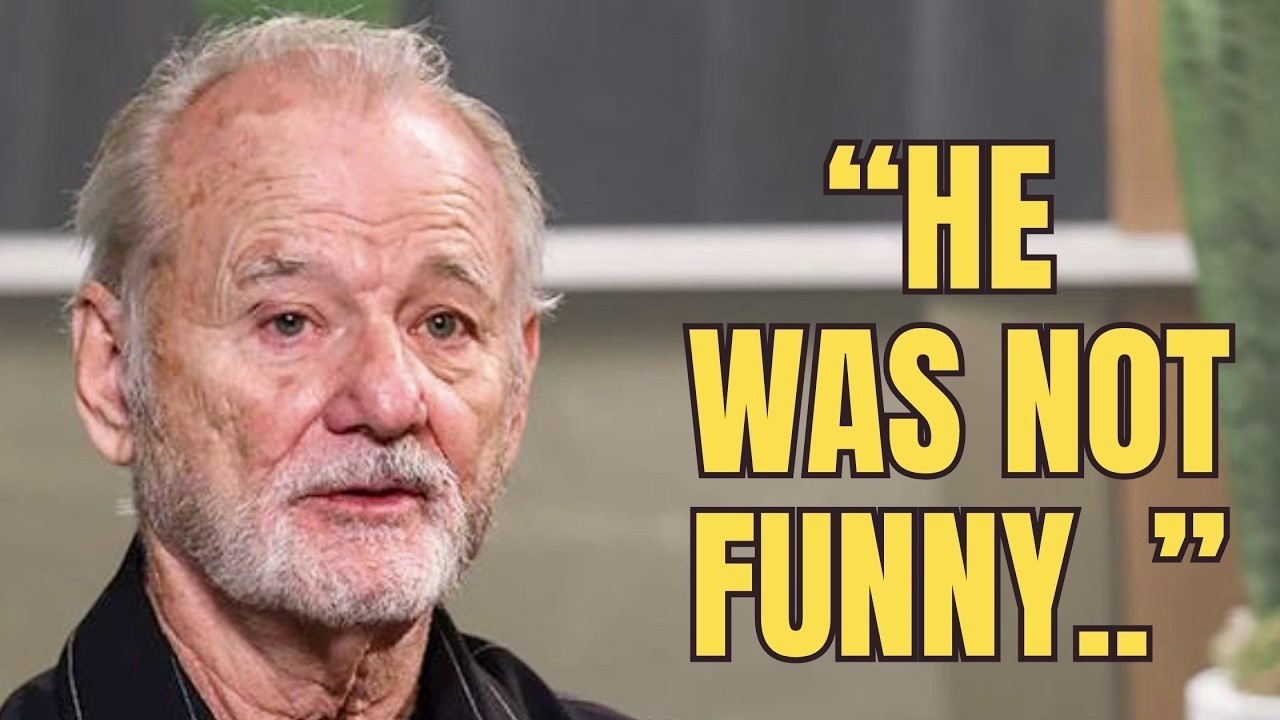
Bill Murray and Rodney Dangerfield, two giants of comedy from starkly contrasting worlds, were united by the cult classic Caddyshack in 1979. Murray grew up in a working-class Chicago home, struggling after his father’s death and a near career-ending airport incident, before finding his comedic voice on Second City and Saturday Night Live.
Dangerfield, born Jacob Cohen, followed a tougher, lengthier path. After years of performing in small clubs with little success, he quit comedy to sell aluminum siding, wondering if his dream had died. In his mid-40s, he made a spectacular comeback, immortalizing his catchphrase “I don’t get no respect,” born from genuine hardship and rejection.
Caddyshack marked Dangerfield’s first major film role at 58. Yet, the transition from live audiences to movie sets was jarring. The silent nature of filming left Dangerfield doubting his jokes. Murray’s improvisational brilliance and relaxed approach helped reshape Dangerfield’s confidence, encouraging a trust in experience over instant feedback.

The film’s chaotic production—hurricanes, practical effects mishaps, and constant experimentation—became part of Caddyshack’s enduring charm. Many iconic scenes including Dangerfield’s dinner sequence and Murray’s spontaneous monologues weren’t scripted, illustrating how their collaboration turned uncertainty into comedy gold on camera.
Director Harold Ramis often kept cameras rolling to capture impromptu moments fueled by Murray’s instinctual comedy style. This environment of creative freedom allowed Dangerfield to thrive beyond his live performance roots and accelerated the chemistry that would cement their careers in comedy history.
Post-Caddyshack, Murray’s career skyrocketed with classics such as Ghostbusters, Groundhog Day, Rushmore, and Lost in Translation, while Dangerfield continued entertaining audiences until his death in 2004. Murray’s recent reflections highlight a deep admiration for Dangerfield’s courage in facing new challenges despite his late career breakthrough.
Murray emphasized that true confidence includes vulnerability—“showing up, trusting your talent, and continuing to learn.” This lesson, drawn from Dangerfield’s journey, underscores how even legends must sometimes rebuild from scratch and embrace discomfort to achieve greatness in entertainment and life alike.

Rodney Dangerfield’s famous lament about respect masks a legacy of perseverance and humility. Murray’s tribute reveals how genuine mutual admiration, rather than competitiveness or 𝒔𝒄𝒂𝓃𝒅𝒂𝓁, often drives Hollywood’s most profound creative partnerships and enduring friendships.
This revelation adds vital context to the ongoing legacy of two comedy legends whose friendship and shared creativity transformed the landscape of American comedy. Their story is a testament to grit, reinvention, and the power of collaboration amid uncertainty.

Bill Murray’s candid account not only enriches Dangerfield’s legacy but also offers a powerful message about growth, respect, and resilience for performers and fans worldwide. It reminds us that behind iconic jokes lie real struggles, persistence, and profound human connection.
As Hollywood continues to evolve, this fresh insight into Bill Murray and Rodney Dangerfield’s dynamic reveals timeless truths about creativity’s unpredictable nature and the courage it takes to embrace it regardless of age or status.
The story of these comedy titans is more compelling than ever—a reminder that the greatest success stories come from partnership, risk-taking, and an unyielding determination to reinvent oneself against all odds. Breaking new ground in understanding their bond inspires both the industry and audiences today.


