The woman who rode beside the most famous cowboy in America carried a burden hidden from millions of adoring fans for more than a decade, a secret that shaped her final years as profoundly as her celebrated public persona. Dale Evans, the beloved star of “The Roy Rogers Show,” spent her last decades confronting the devastating losses of three children and the painful truth of a motherhood she was forced to deny at the height of her career. Her story, as revealed in newly examined accounts of her life, is not one of rhinestone glamour but of survival, grief, and a quiet revolution in how America viewed disability and loss.
Born Frances Octavia Smith in Uvalde, Texas, on October 31, 1912, her early life was marked by instability and a fight for basic survival. By age 14, she had eloped with Thomas Frederick Fox, lying about her age, and at 15, she gave birth to her son, Tommy, a child she would soon be forced to hide. Fox abandoned the family shortly after, leaving the teenage mother to raise her son alone while working as a secretary in Memphis, Tennessee, her remarkable singing voice discovered almost by accident by her boss.
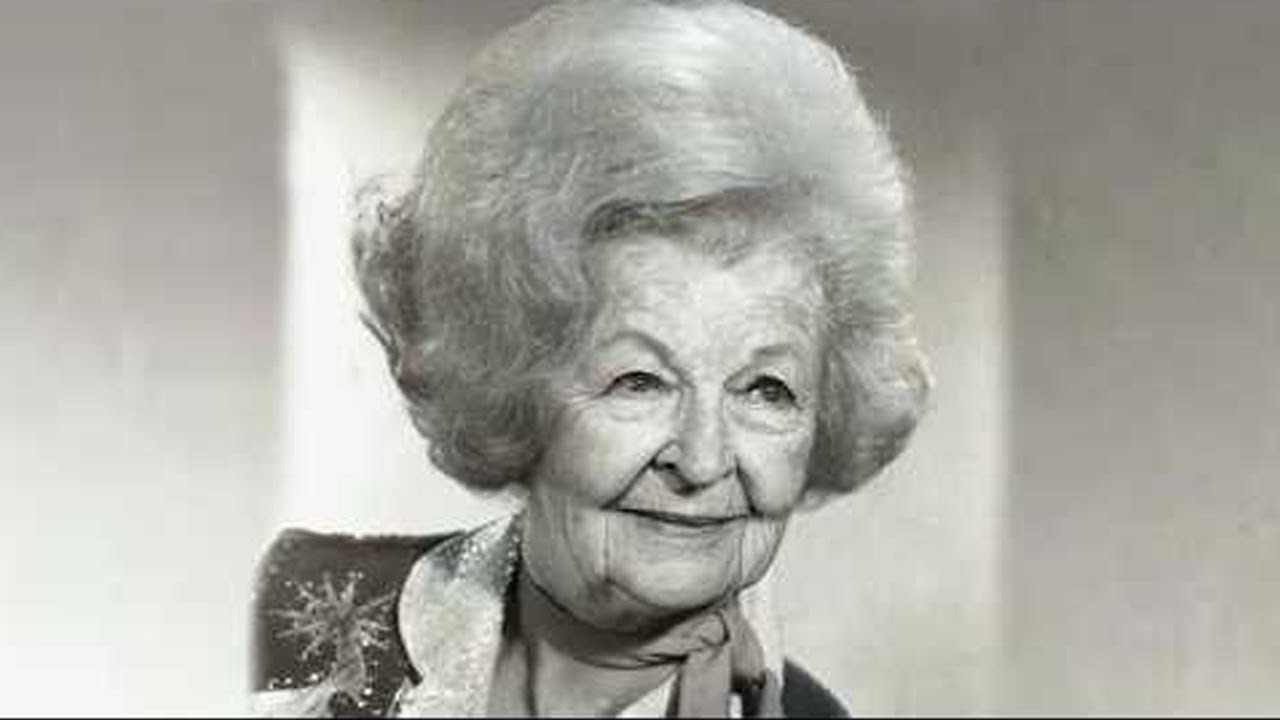 The discovery of her voice led to radio work and, eventually, a path to Hollywood, but the price of that success was steep. When 20th Century Fox came calling, studio executives deemed a divorced mother unfit for a leading lady image, so they crafted a cover story that Tommy was her younger brother. For over a decade, Dale Evans lived that lie publicly, unable to claim her own child, a sacrifice that she carried privately even as her star rose in Western films opposite Roy Rogers.
Tragedy reshaped both their lives in 1946 when Roy’s second wife, Arlene, died shortly after giving birth to their son, Dusty. Dale, who understood loss and single parenthood intimately, became his source of support, and their friendship deepened into a romance that led to marriage on December 31, 1947. The union, her fourth and his third, would last more than 50 years, but it was immediately tested by the blending of their families and the arrival of their only biological child together, Robin, born in 1950.
 Robin was born with Down syndrome and a congenital heart defect, and in an era when doctors advised institutionalization, Dale and Roy made the radical choice to bring her home. Robin lived just two and a half years, dying on August 24, 1952, from complications of mumps, a loss that shook Dale’s faith to its core. Her response was to write “Angel Unaware,” a bestseller narrated from Robin’s perspective in heaven, which gave grieving parents of disabled children permission to speak openly, challenging the stigma of the era.
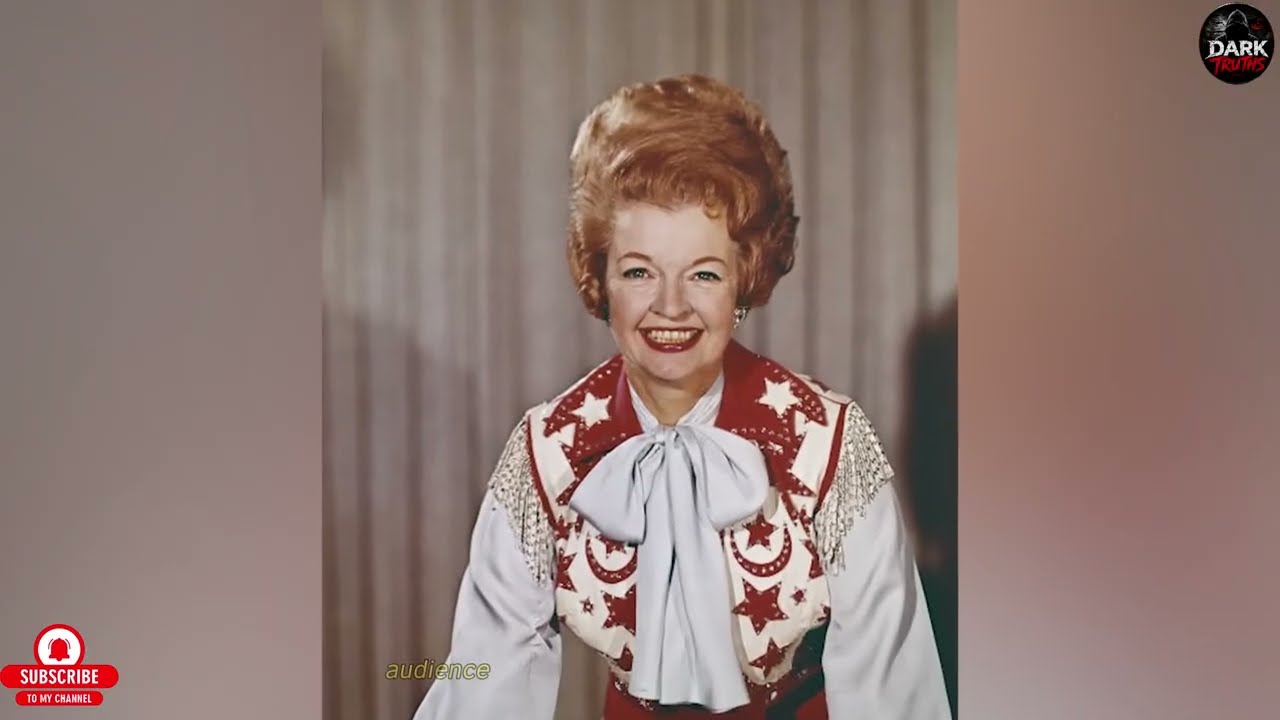 Grief continued to stalk the family, striking again in 1964 when their adopted daughter, Debbie, was killed in a bus crash, and again in 1965 when their adopted son, Sandy, died in a military hospital. In the span of 13 years, Dale and Roy buried three children, and Dale’s response was to write more than 25 books on faith, loss, and disability, becoming a sought-after speaker on topics that were rarely discussed publicly. Her final years were marked by this profound reflection, as she spoke with unprecedented openness about the children she lost and the son she was once forced to deny.
 Roy Rogers died on July 6, 1998, after a marriage that had endured more than five decades, and Dale outlived him by just under three years. She passed away on February 7, 2001, from heart failure at her home in Apple Valley, California, at age 88, and was laid to rest beside him. Her daughter Dodi later said Dale believed in telling both the good and the bad because that honesty was what made a person whole, a philosophy that defined her final years.
The real Dale Evans, the girl from Texas who taught herself to survive, turned her survival into a legacy of helping others through unimaginable suffering. She once said she wanted to be remembered not for the rhinestones and fringe, but for telling the truth about suffering, and by that measure, her legacy is secure. From the center renamed in her honor in Oklahoma to the families who still read “Angel Unaware” today, she reshaped how millions of Americans talked about disability, grief, and faith, a truth far more powerful than any Hollywood legend.