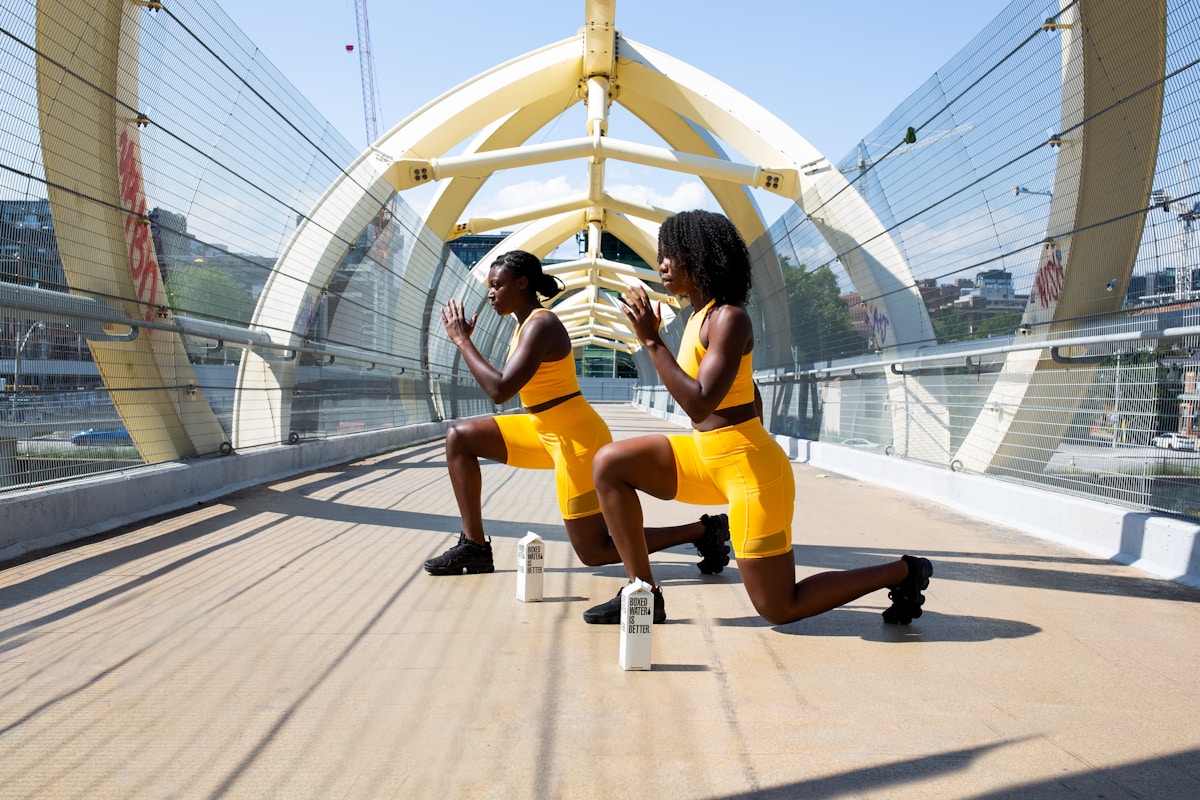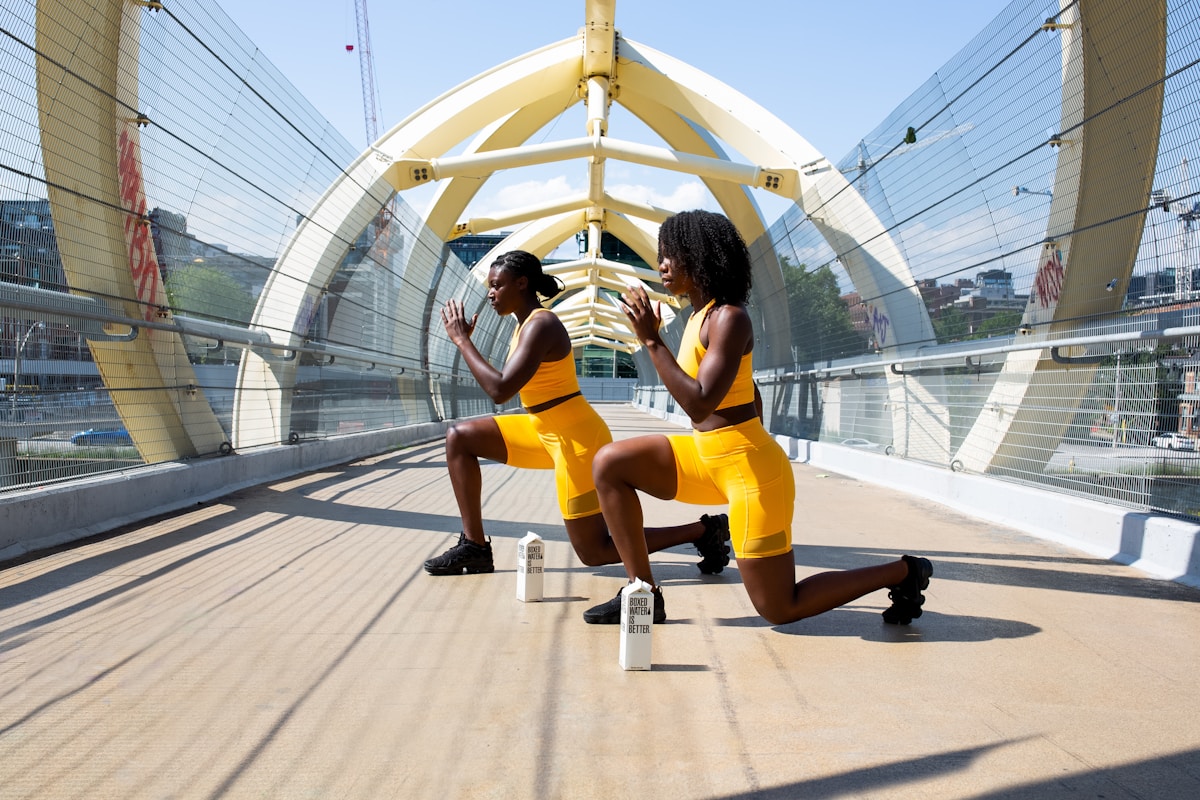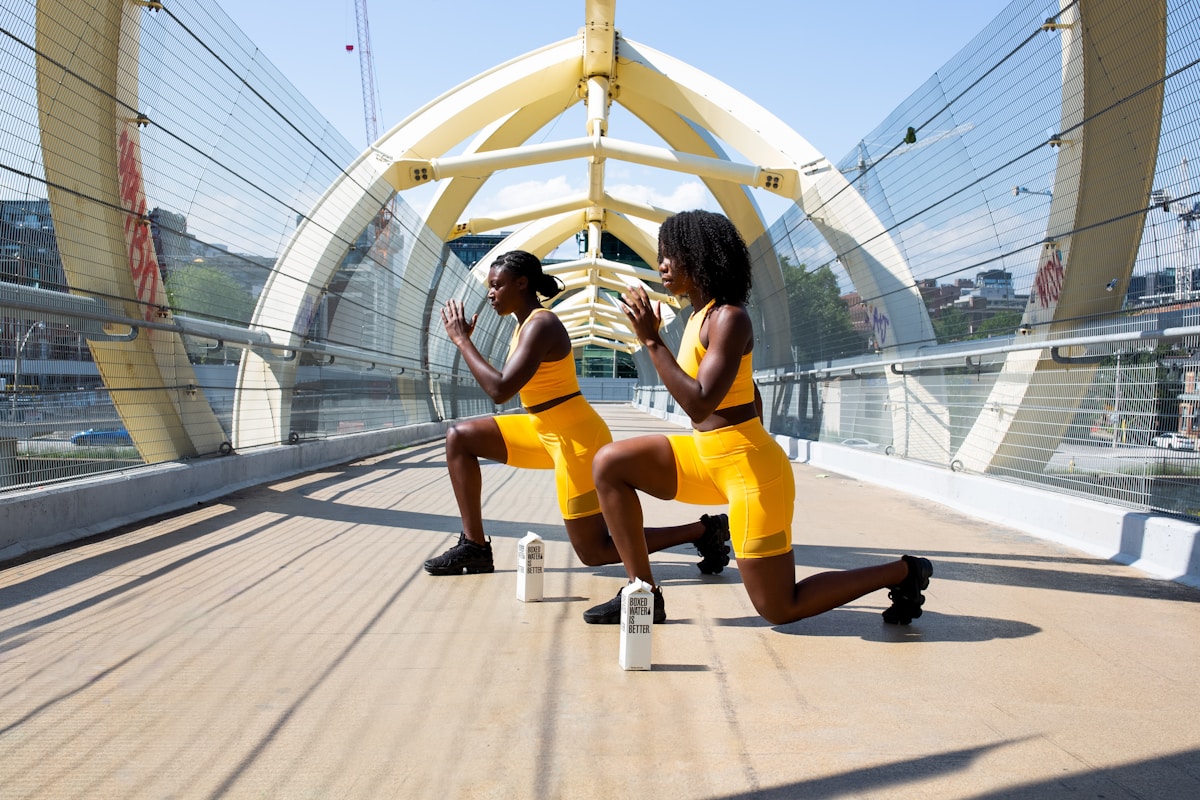
What does “fitness” even mean to you? For most people, the immediate image that pops into mind is ripped abs, bulging biceps, or perhaps someone effortlessly running a marathon. But let me tell you, that narrow view misses the entire point. True fitness, the kind that genuinely changes your life, goes way beyond the aesthetics. It’s not just about how you look, but crucially, about how you feel, how you move, and how your body and mind work together every single day.
Think about it this way: your body is your vehicle for life. You wouldn’t neglect oil changes, tire rotations, or filling up with premium fuel for a car you wanted to last decades, would you? The same principle applies to your personal machinery. Fitness is about maintaining that vehicle, optimizing its performance, and making sure it can handle whatever journey you throw its way, whether it’s chasing after your kids, climbing a mountain, or simply enjoying a long walk without aches and pains. You see, it’s a holistic concept, weaving together physical strength, mental resilience, and emotional balance. You can’t separate one from the others and expect to thrive.
The Pillars of True Fitness: It’s a Balancing Act
Alright, so if fitness isn’t just about showing off at the beach, what is it made of? I see it as five crucial pillars, and you really need to build all of them for a strong foundation. Neglect one, and the whole structure wobbles.
Cardiovascular Endurance: Your Heart’s Best Friend
This one’s pretty straightforward. It’s your heart and lungs doing their job efficiently. Can you walk up a few flights of stairs without feeling like you’ve run a sprint? Can you play with your dog in the park for a good 20 minutes without getting completely winded? That’s cardiovascular fitness. Regular cardio workouts – think brisk walking, jogging, swimming, cycling, dancing – strengthen your heart, improve blood flow, and lower your risk of all sorts of nasty stuff like heart disease and stroke. Aim for at least 150 minutes of moderate-intensity cardio each week. That’s about 30 minutes, five days a week. It’s totally doable, even if you just start with a quick power walk around the block.
Strength Training: Build a Resilient You
You don’t need to lift cars to be strong. Strength training, whether it’s with weights, resistance bands, or just your own body weight, is absolutely vital. It builds muscle, which in turn boosts your metabolism, helps you burn more calories even at rest, and strengthens your bones. This is incredibly important as you get older; it helps prevent osteoporosis and keeps you mobile. Strong muscles also act as a protective shield around your joints, significantly reducing your risk of injury in daily life. Start with bodyweight exercises like squats, push-ups, and planks. If you’re ready to step it up, a couple of dumbbells can make a huge difference.
Flexibility and Mobility: Don’t Be a Robot
Ever felt stiff getting out of bed? Or had trouble reaching something on a high shelf? That’s where flexibility and mobility come in. Flexibility is about how far your muscles can stretch, while mobility is about your joints’ full range of motion. Ignoring this pillar is a recipe for aches, pains, and limited movement. Think about it: a well-tuned athlete like Jannik Sinner needs incredible mobility on the court to unleash those powerful serves and agile returns. Without that, he’d be nowhere near the top. Incorporate stretching, yoga, or even simple foam rolling into your routine. It’ll improve your posture, reduce muscle soreness, and make everyday movements feel so much smoother. Just 10-15 minutes a few times a week can make a massive difference.
Body Composition: What’s Under the Hood Matters
This is where many people get hung up, often focusing solely on the number on the scale. But body composition is about what that weight is made of: your percentage of lean muscle mass versus body fat. You could weigh the same as someone else, but if you have more muscle and less fat, you’ll be healthier, stronger, and likely feel better. Don’t obsess over the scale. Instead, focus on building muscle and reducing excess body fat through a combination of strength training and smart nutrition. Your energy levels and overall health are far better indicators than a simple numerical reading.
Mental & Emotional Well-being: The Unsung Hero of Fitness
This is arguably the most overlooked component, but it’s absolutely non-negotiable. Physical activity is a powerhouse for your brain and mood. It reduces stress, boosts endorphins (those feel-good chemicals), improves sleep, and can even sharpen your cognitive function. When life throws you curveballs – say, dealing with public drama and gossip like Sonia Bruganelli sometimes faces – having a solid fitness routine can be your anchor, a way to release tension and clear your head. It’s not just about “working out” but also about the mental clarity and peace it brings. Never underestimate the power of a good sweat session to turn a bad day around.
Crafting Your Fitness Journey: No One-Size-Fits-All

Now you understand the pieces, but how do you put them together into something sustainable for your life? Because let’s face it, we all have different starting points, different schedules, and different motivations.
Set Realistic Goals (And Why “Beach Body” Isn’t One)
Please, please, stop chasing unrealistic ideals. Your goal shouldn’t be “get a beach body by summer.” That’s fleeting and often leads to disappointment. Instead, focus on what your body can do. Do you want to run a 5K? Be able to pick up your kids without back pain? Improve your sleep? These are specific, measurable, achievable, relevant, and time-bound (SMART) goals. They’re about performance and health, not just aesthetics. Aim for consistency, not perfection. A little bit every day beats a massive, unsustainable effort once a week.
Find Your Jam: Exercise Shouldn’t Feel Like a Chore
If you hate running, don’t force yourself to run. If lifting weights feels intimidating, start with bodyweight or resistance bands. The world of fitness is vast! Try dancing, hiking, cycling, swimming, martial arts, rock climbing, team sports, Pilates, or even active video games. You’ll be much more likely to stick with something you genuinely enjoy. Think about what makes you feel energized and happy, not just what burns the most calories.
Nutrition: Fueling Your Body Right
You can’t out-train a bad diet. Your body needs proper fuel to perform, recover, and thrive. This doesn’t mean extreme dieting or deprivation. It means focusing on whole, unprocessed foods: plenty of fruits, vegetables, lean proteins, and healthy fats. Hydration is also huge. Drink water, lots of it! Think about nourishing your body, not punishing it. Small, consistent changes here make a monumental difference over time.
Rest and Recovery: The Overlooked Secret Weapon
You actually get stronger during rest, not during your workout. Adequate sleep (7-9 hours for most adults) is crucial for muscle repair, hormone regulation, and mental clarity. Without enough rest, your body can