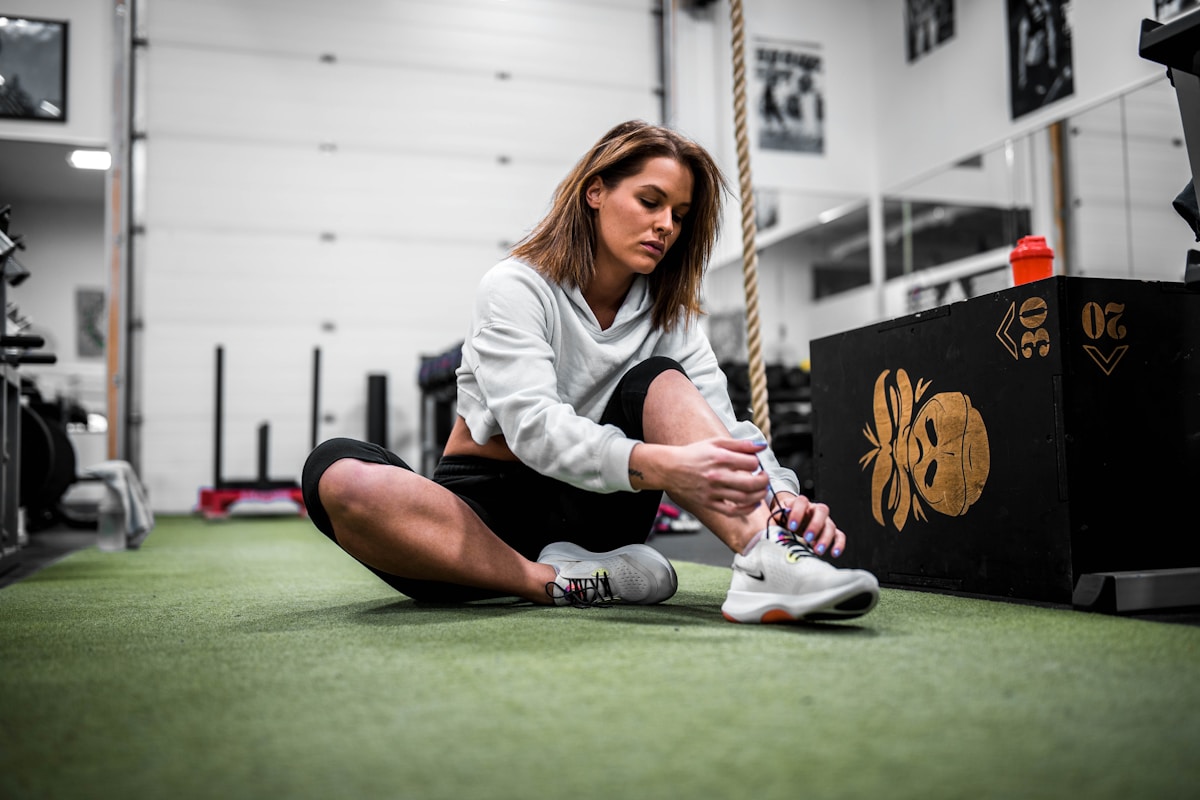
What does “fitness” truly mean to you? For many, it conjures images of ripped abs, grueling gym sessions, or running marathons. We’re bombarded with photoshopped ideals and quick-fix promises. But here’s a secret: real fitness isn’t about looking a certain way for a fleeting moment or punishing yourself. It’s about building a body that works for you, that supports your life, and that makes you feel genuinely good, inside and out. It’s about being able to play with your kids without getting winded, carrying your groceries with ease, or simply waking up with energy.
Forget the extreme diets and the “no pain, no gain” mentality for a minute. True fitness is a holistic state. It encompasses your physical strength, endurance, flexibility, and mobility. But it doesn’t stop there. It deeply involves your mental resilience, emotional well-being, and even your ability to manage stress. This isn’t just some feel-good philosophy; it’s backed by mountains of research. People who prioritize their fitness tend to live longer, healthier lives, experience fewer chronic diseases, and even think more clearly.
Why True Fitness Isn’t Optional Anymore
Think about it. Our modern lives often pull us away from movement. We sit for hours at desks, commute in cars, and rely on technology to do things our bodies were designed to do. This sedentary lifestyle is a silent killer, contributing to heart disease, type 2 diabetes, obesity, and a host of other ailments. You’re not just trying to look good in a swimsuit; you’re actively fighting against the forces of modern living that want to make you unhealthy.
Beyond the obvious physical benefits, the mental and emotional perks are enormous. Ever noticed how a good workout can totally turn your mood around? That’s not a coincidence. Exercise releases endorphins, those natural mood boosters. It can slash stress levels, improve sleep quality, and even sharpen your cognitive function. Some days, hitting the gym or taking a long walk isn’t just about moving your body; it’s about clearing your head, processing emotions, and finding a moment of peace. Imagine coping with moments of intense pressure, like those faced by Belen Rodriguez during a stressful emergency, with a clearer mind and a more resilient body. Fitness arms you for life’s challenges.
Building Your Fitness Foundation: The Core Pillars

You don’t need a fancy gym membership or a personal trainer to get started. You just need a clear understanding of what makes up a well-rounded fitness plan. There are four main pillars, and ignoring any one of them can leave your foundation wobbly.
1. Cardiovascular Health: Your Engine Room
This is your heart and lungs. Activities that get your heart rate up and keep it there for a sustained period are crucial. We’re talking brisk walking, jogging, cycling, swimming, dancing – anything that makes you a little breathless and gets a sweat going. Aim for at least 150 minutes of moderate-intensity cardio each week, or 75 minutes of vigorous activity. Break it up! Three 10-minute walks are better than nothing. Don’t feel like you have to smash out an hour-long run every day. Start small, be consistent.
2. Strength Training: Building Resilience
Many people, especially women, shy away from lifting weights, fearing they’ll bulk up. That’s a myth. Strength training is absolutely vital for everyone. It builds muscle mass, which boosts your metabolism, strengthens your bones (super important as you age!), and improves your overall functional strength. You’ll find daily tasks easier, reduce your risk of injury, and even improve your posture. You can use free weights, resistance bands, machines, or simply your own body weight with exercises like squats, push-ups, and planks. Two to three sessions a week, hitting all your major muscle groups, is a great starting point.
3. Flexibility and Mobility: Moving Freely
Often overlooked, flexibility and mobility are about your joints’ range of motion and your muscles’ ability to lengthen. Think about reaching overhead without pain or bending down to tie your shoes comfortably. Yoga, Pilates, and simple stretching routines are excellent here. Spending just 5-10 minutes post-workout or at the end of your day can make a huge difference in how your body feels and moves. This reduces stiffness and helps prevent common aches and pains.
4. Recovery: The Unsung Hero
Your body doesn’t get stronger during the workout; it gets stronger during recovery. This means prioritizing sleep, adequate nutrition, and managing stress. Skimp on these, and you’re essentially undoing all your hard work. Aim for 7-9 hours of quality sleep. Fuel your body with whole, unprocessed foods. And actively work to reduce stress – whether that’s through meditation, spending time in nature, or even just disconnecting from screens for a bit. Its incredible how much difference proper recovery makes.
Starting Your Journey: Keep it Real
Feeling overwhelmed? Dont be. The biggest mistake people make is trying to do too much too soon. You’ll burn out fast and probably give up.
- Set Realistic Goals: Forget “I want to run a marathon next month” if you haven’t run a mile in years. Start with “I want to walk for 30 minutes, five days a week.” Make your goals SMART: Specific, Measurable, Achievable, Relevant, and Time-bound.
- Find Your Fun: If you hate running, you won’t stick with it. Love dancing? Join a class! Enjoy hiking? Hit the trails! The best exercise is the one you actually enjoy doing. You’re more likely to be consistent.
- Small Changes, Big Impact: Swap your afternoon soda for water. Take the stairs instead of the elevator. Park further away at the grocery store. These little shifts add up over time, creating momentum.
- Patience is Your Power: Results won’t happen overnight. Consistency, not intensity, is the real magic ingredient. Celebrate small victories: an extra minute on the treadmill, an extra rep, sticking to your routine for a whole week.
Fueling Your Body: Nutrition is Key

You can’t out-exercise a bad diet. What you put into your body is just as important, if not more important, than how you move it. Think of your body as a high-performance vehicle. Would you put cheap, diluted fuel in it? Probably not.
Focus on whole, unprocessed foods: plenty of fruits, vegetables, lean proteins, and whole grains. Reduce your intake of sugary drinks, processed snacks, and excessive unhealthy fats. Hydration is also huge. Carry a water bottle and sip throughout the day. Aim for eight glasses, or roughly two liters, of water daily. Proper nutrition and hydration will give you the energy for your workouts, aid in recovery, and help you find that inner drive to live fully. Many people, including Paola Marella, found strength and a desire to live through facing life’s challenges, and physical well-being plays a massive role in that mental resilience.
Overcoming Common Fitness Hurdles
Let’s be honest, sticking to a fitness routine isn’t always easy. Life gets in the way.
“I don’t have enough time!”
This is the most common excuse. And it’s a valid one! We’re all busy. But fitness doesn’t have to be an hour-long ordeal. Try 15-minute high-intensity interval training (HIIT) workouts at home. Take a brisk walk during your lunch break. Even 10 minutes here and there adds up. Schedule your workouts like important appointments – because they are.
“I’m just not motivated.”
Motivation comes and goes. Discipline is what keeps you going. Find an accountability partner. Sign up for a class or a challenge. Reward yourself (non-food rewards!) for hitting milestones. Remember your “why” – why did you start this journey in the first place? Write it down, put it where you’ll see it every day. Sometimes, the thought of how great you’ll feel after a workout is enough to get you started.
“I’ve hit a plateau.”
If your progress has stalled, you might need to change things up. Your body adapts quickly. Try different exercises, increase the weight, do more reps, shorten your rest periods, or explore a new type of activity. Variety is the spice of life, and it’s also the key to continued progress in fitness.
“I’m worried about injuries.”
Listen to your body. Don’t push through sharp pain. Proper form is always more important than lifting heavy or going fast. If you’re unsure about an exercise, watch tutorials, consult a professional, or start with lighter weights until you master the movement. Warm up before and cool down after every session. Preventing injuries keeps you in the game long-term.
Fitness is a Lifestyle, Not a Destination
Think about it like this: you don’t just eat healthy for a month and then go back to fast food. You build sustainable eating habits. Fitness is no different. It’s a lifelong journey, a commitment to taking care of the only body you’ll ever have. There will be good days and bad days, periods of high motivation and times when you just want to curl up on the couch. That’s okay. The key is to keep showing up, keep making those small,